Damp & mould
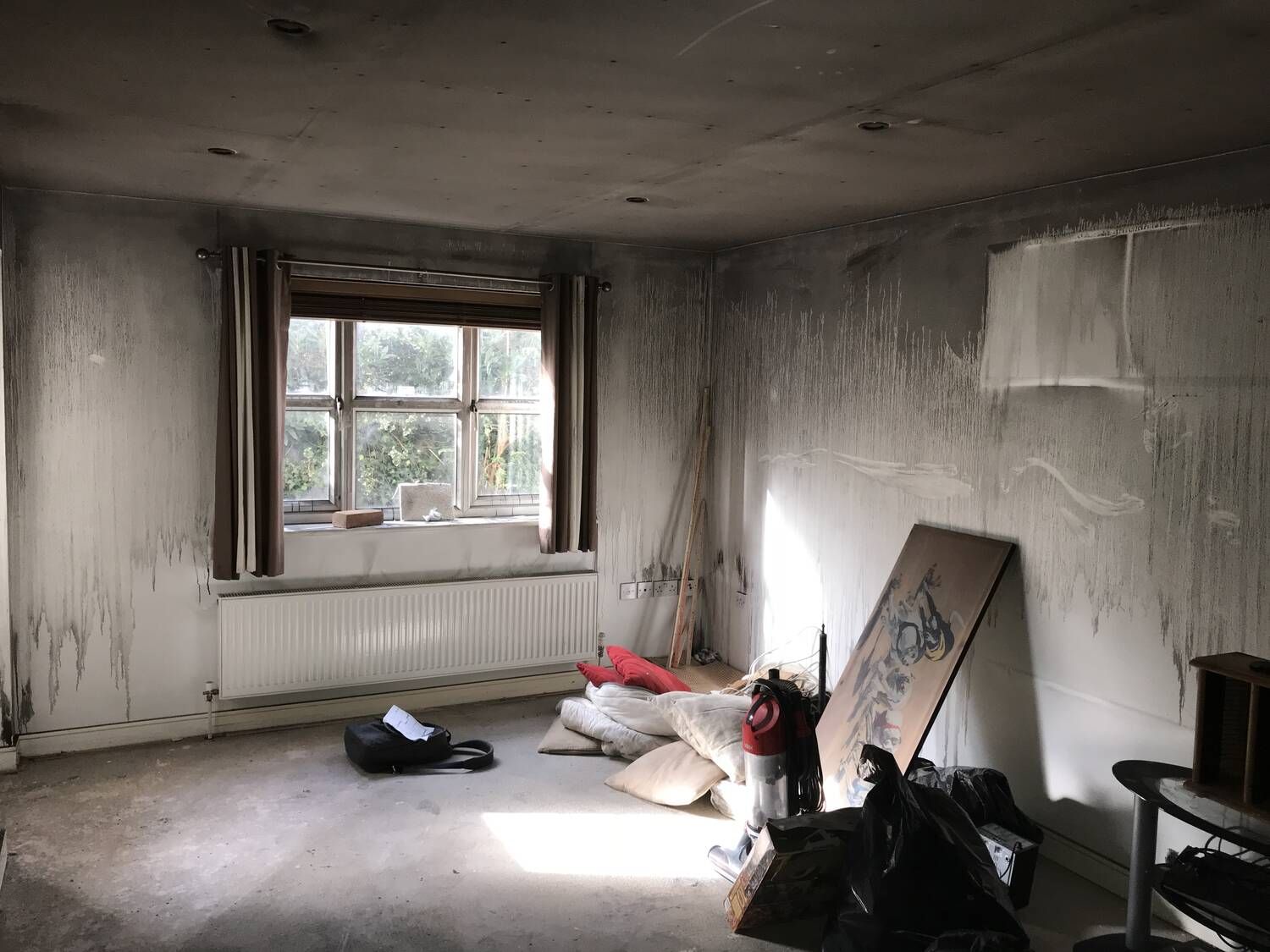
Damp and mould have more than one cause. We find out which — condensation, penetrating damp, rising damp, leaks or drainage — so the remedy actually works.
What it is
In plain English
For social landlords, damp and mould is now a matter of legal deadlines as well as good practice. Awaab’s Law requires landlords to investigate and put right hazards within set time limits, so the investigation has to be quick and it has to be right.
Our inspections record moisture readings, ventilation, heating, occupancy and the building fabric, and assess the hazard under HHSRS. We check the things that are often missed — defective rainwater goods, blocked cavities, failed drainage, leaks from next door — before recommending treatment.
We then specify the remedial works and, if you wish, manage them to completion.
Who it’s for
Housing associations & councils
Fast, defensible investigations that stand up to scrutiny and complaints.
Residents’ complaints & disrepair
Independent evidence of the cause and the fix.
Homeowners
An honest diagnosis before you pay for treatment you may not need.
Deliverables
| Deliverable | What you receive | When |
|---|---|---|
| Inspection | Moisture and environmental readings, photographs, HHSRS assessment | Within 5 working days |
| Damp & mould report | Cause, severity and recommended remedy | 10 working days after inspection after inspection |
| Schedule of works | Priced-ready remedial specification | On instruction |
| Works management | Tender and supervision of the remedy | On instruction |
| Post-works check | Follow-up readings to confirm the fix | After works |
Typical timescale
How it runs
- Step 01
Report
Complaint or referral received.
- Step 02
Inspect
Readings and HHSRS assessment.
- Step 03
Diagnose
Cause and remedy reported.
- Step 04
Remedy
Works specified and checked.
Common questions
Common questions about damp and mould
Not answered here? Call 01245 460222 and speak to a surveyor.
What actually causes damp?
Four things, and they need different fixes: condensation, penetrating damp through walls or roofs, rising damp, and leaks from plumbing or drainage. Our job is to tell you which one you have, with evidence.
How do you tell condensation from a building defect?
Surface temperatures, relative humidity, moisture readings through the wall profile and the pattern of staining all point to the cause. We do not rely on a single meter reading.
How does this relate to Awaab’s Law?
Social landlords must investigate and fix damp and mould hazards within set timescales. Our inspection and report are designed to meet those deadlines and give you a clear, defensible record of what was found and what was done.
Do you assess HHSRS hazards?
Yes. Every inspection includes an HHSRS assessment so you know whether the hazard is category 1 or 2 and how urgently it needs action.
Do you carry out the repairs?
We specify the remedial work, obtain prices and can administer the contract, so the same surveyor who found the cause sees the fix through.
What do residents need to do?
Give us access and tell us what they have noticed. We explain what we found in plain terms and treat every household with respect.
Related case studies
All case studies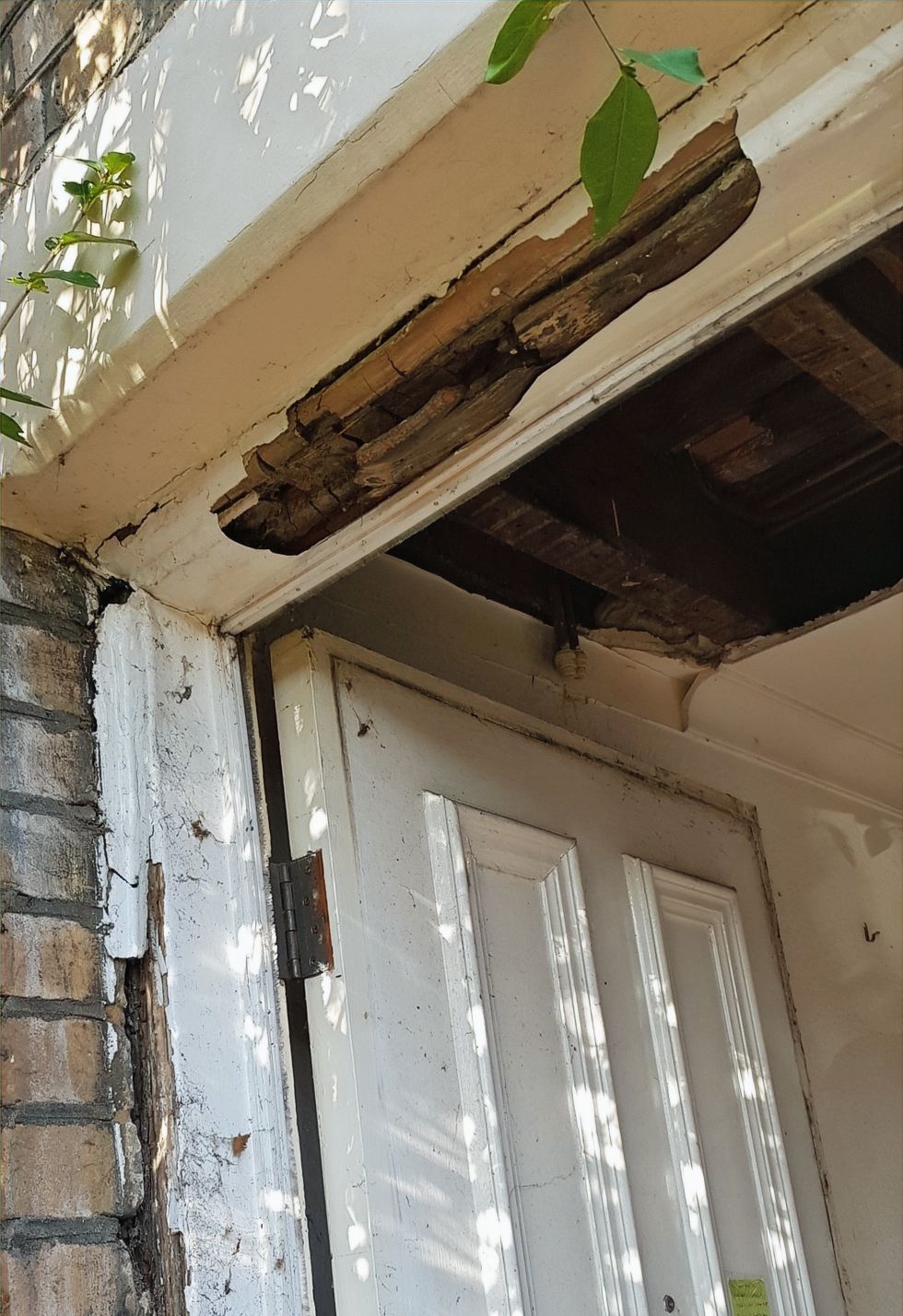
Claremont Road
Disrepair works
Contract value £120k · L&Q

Stock condition surveys — London
2,600 stock condition surveys in 2025
Inspection · HHSRS · L&Q
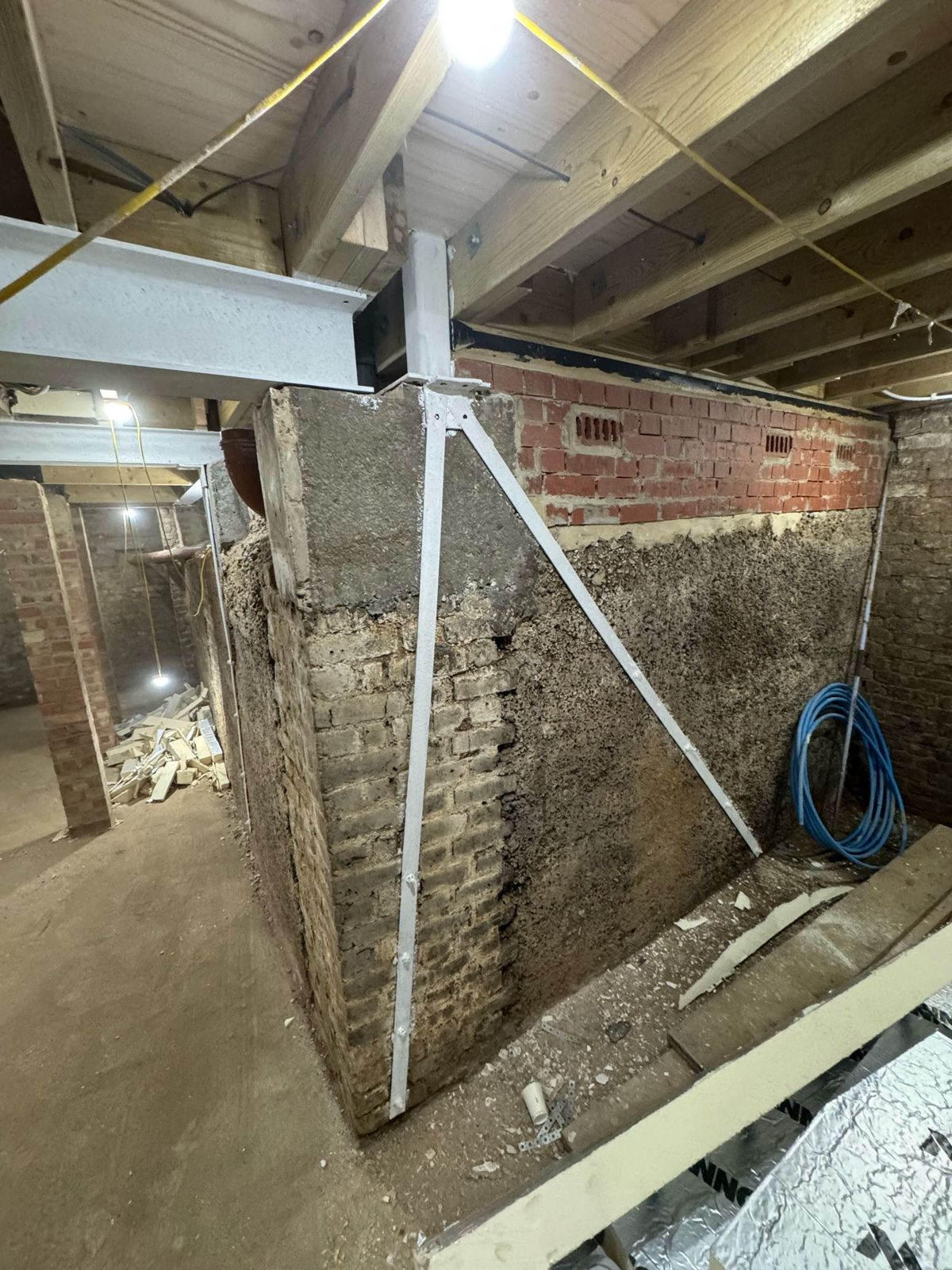
Plashet Road
Disrepair works and structural repairs
Contract value £500k · L&Q
Talk to a surveyor about damp & mould.
Send the address and a few lines on what you need. Or call 01245 460222.